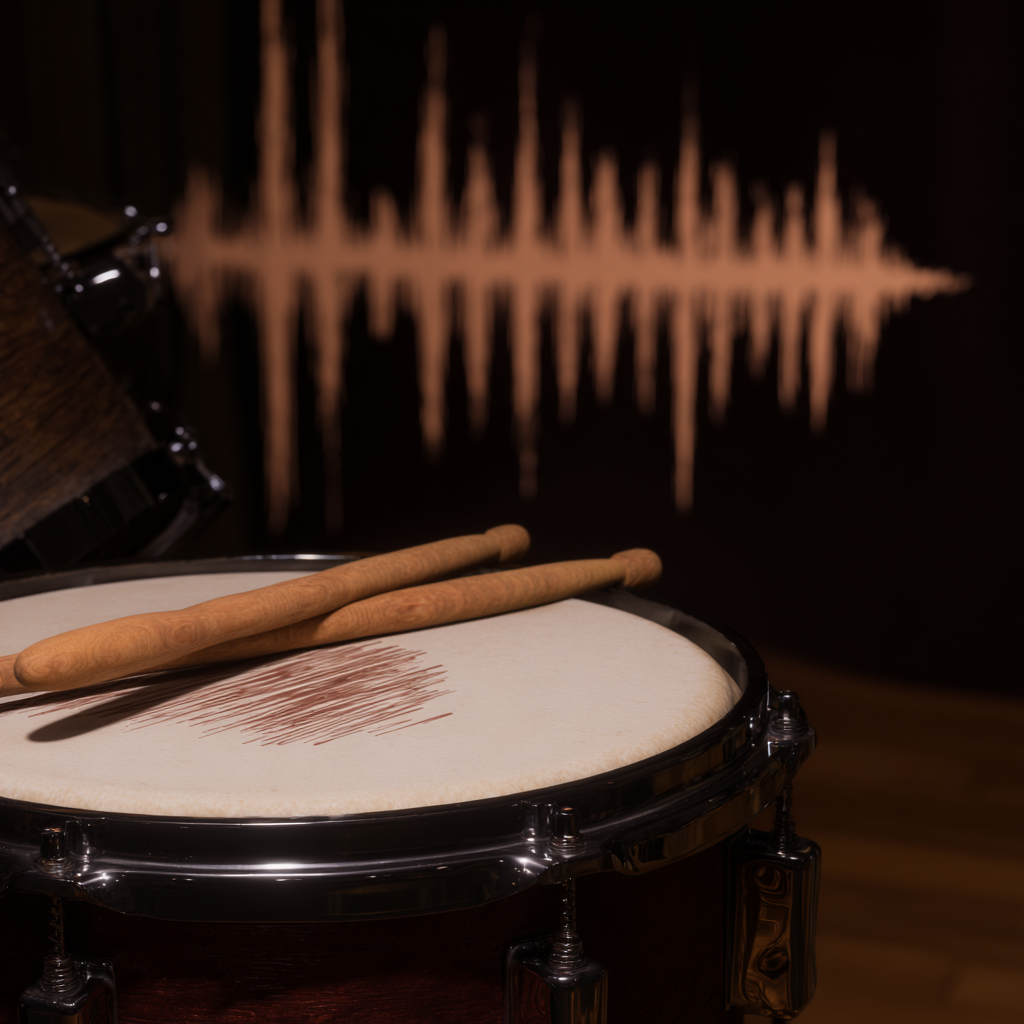
Disappearing Snare Crack: Why It Vanishes At The Final Stage
The Problem A mix can arrive with a snare that feels sharp, physical, and right. It cuts through the beat, gives the slap its front edge, and helps the vocal feel locked to the drums. Then the master gets louder, smoother, and more controlled, but the snare crack disappears. The record may sound finished in one sense, but the drums no longer hit with the same authority. This usually happens because the final stage is controlling dynamics without protecting the transient. The transient is the first fast hit of the drum before the body and decay follow. In hip-hop, that... More.

The “Client-Proof” Mastering Workflow: Consistency Across Songs
The Problem A client may approve or reject a master one song at a time, but listeners usually experience a project as a body of work. That changes the sound work. A track can sound strong by itself and still feel off withinz the album sequence. If one song accidentally feels louder, thinner, darker, wider, or more aggressive than the others, the project can start to feel unfinished. This is where mastering has to move beyond making each track impressive on its own. The engineer has to listen across songs, not just into songs. The relationships between tracks matter as... More.

Why AI Masters Often Miss The Song’s Intent
The Problem Automated mastering can change the sound quickly. It can make a track louder, brighter, smoother, tighter, or more controlled. That does not mean it understands the record. The problem is not that automated processing is useless. The problem is that it often works from audio behavior without knowing why that behavior exists. That matters in hip-hop because not every rough edge is a mistake. A dark sample may be part of the mood. A narrow drum break may be part of the focus. A heavy low end may be the center of the record. A vocal that sits... More.
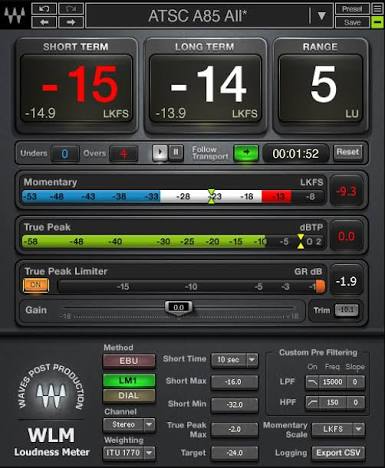
The Hidden Cost Of Chasing Loudness First
The Problem Loudness is one of the easiest things to notice in mastering, which is why it often gets judged too early. A louder version can feel better for a few seconds because it pushes forward and grabs attention. That does not mean the master is actually better. It may only mean the level changed before the record was ready for that level. The hidden cost shows up after the first impression. Drums can get smaller. The low end can blur. Vocals can become harsh or flat. Samples can lose movement. The master may still be loud, but the record... More.

What You’re Really Paying For In Mastering
The Problem A lot of artists think mastering is mostly about access to expensive equipment. That makes sense from the outside, because the gear is visible and easy to describe. You can point to an analog equalizer, compressor, converter, or limiter and understand that it costs money. But the gear is not the full service. The real value is the judgment behind every move. Mastering is where the record gets checked, balanced, protected, and prepared to survive outside the studio. The Principle Mastering is not paying for tools; it is paying for decisions that survive playback everywhere. That is the... More.
Low Mids: The Area That Makes Hip-Hop Sound Expensive Or Cheap
The Problem Low mids decide whether a hip-hop master feels solid or unfinished. This is usually the range between the upper bass and lower vocal body, roughly from 150 Hz to 500 Hz. It is where drums get their weight, bass gets its shape, samples get their thickness, and vocals get their chest. When this area is right, the record feels expensive before the loudness even matters. When this area is wrong, the problems are easy to hear but hard to name. The track may feel cloudy, small, boxy, hollow, or tired. The low end may seem weak, even though... More.

How to Keep Ad-libs Exciting Without Cluttering the Vocal
The Problem Ad-libs can make a vocal feel more alive, but they can also make the center feel crowded. In mastering, that shows up as a lead that feels less readable than it should, even though the stereo mix may still sound exciting on first pass. The issue is not always level alone. It is often a combination of placement, tonal overlap, and how the side energy is interacting with the lead. That matters because mastering works on the stereo file, not the vocal stack in isolation. You are judging the finished picture as it exists. The goal is not... More.
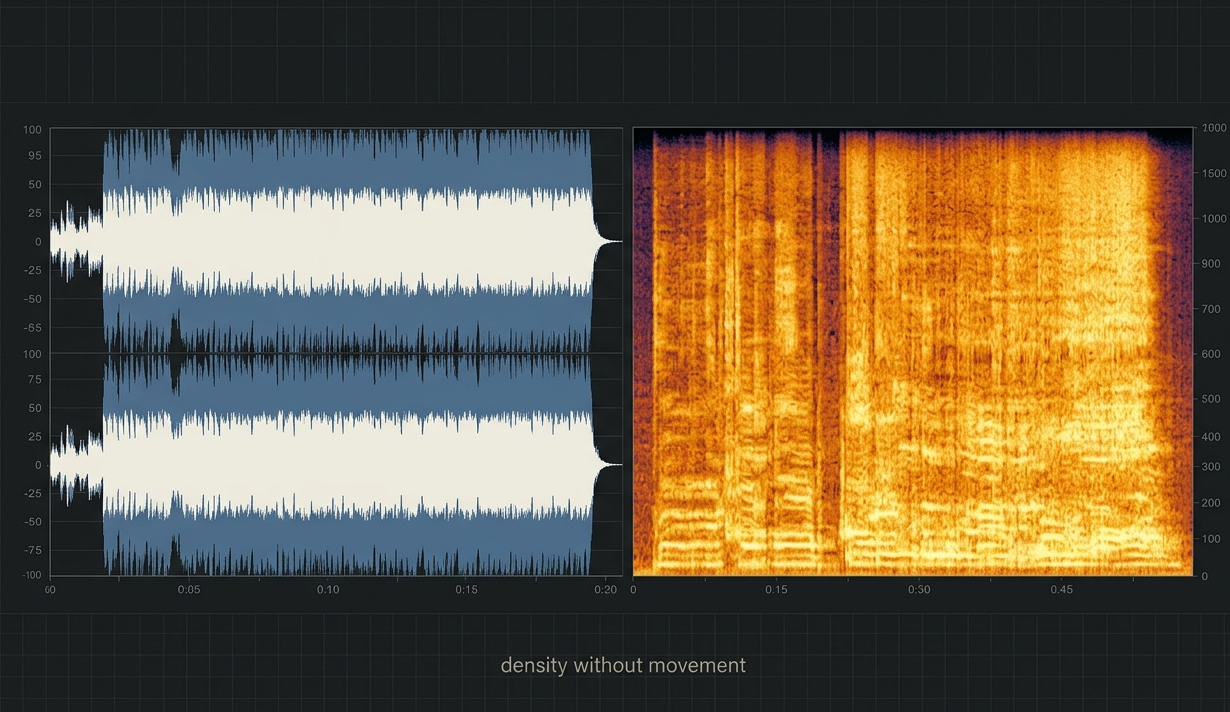
What ‘Over-Limited’ Actually Sounds Like (In Plain Language)
The Problem A lot of people know when a track feels harsh or tiring, but they cannot name the cause. One common reason is over-limiting. That is what happens when a limiter is pushed so hard that the music loses too much dynamic range, meaning the natural difference between louder and softer moments gets flattened. The result is a kind of pressure. Everything feels pinned to the front, with less movement, less punch, and less space for the song to breathe. The Principle A limiter should control peaks, not erase contrast. When the whole track starts behaving like a peak,... More.
How Premium Monitoring Decisions Beat ‘Better Plugins’ Every Time
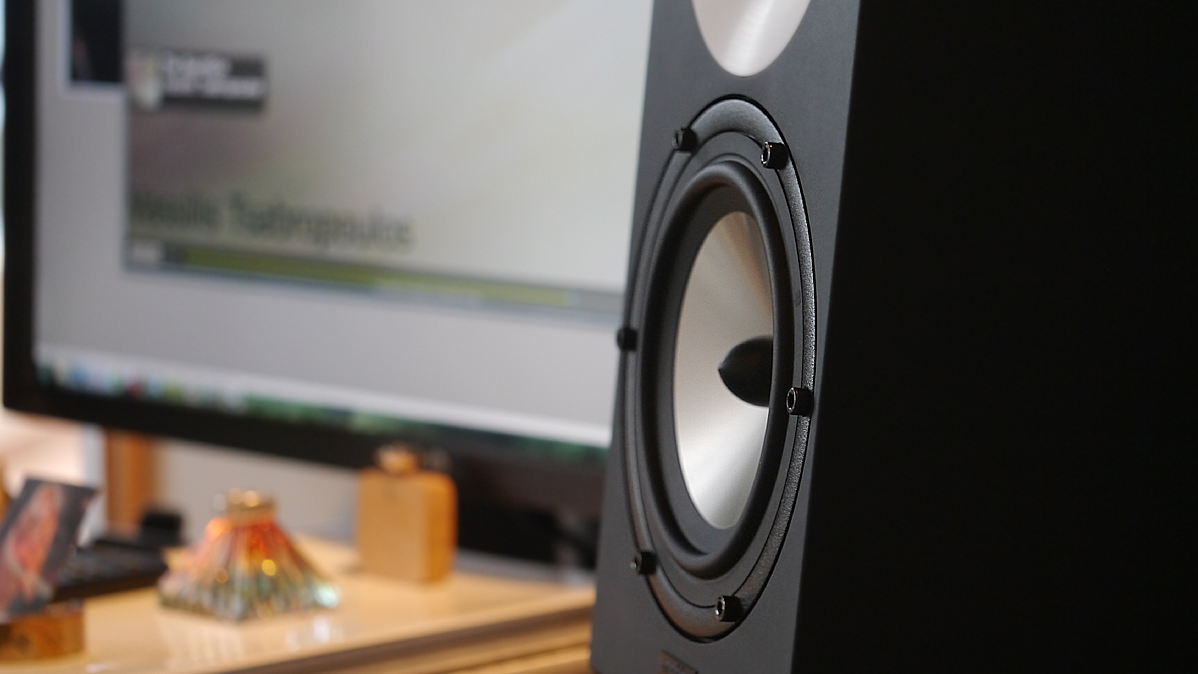
The Requirement I did not need more options. I needed fewer mistakes. That is the real requirement at the mastering stage, and it is the point many people miss when they start shopping for solutions. Better plugins can give you more control, more color, and more ways to push a track around, but if the monitoring is not telling you the truth, all that extra control just lets you make wrong decisions with more confidence. That is why this changed for me when I started using Amphion One18s. I was not looking for a prestige purchase or a new thing... More.
How to Export Your Mix for Mastering (And What Not to Do)
The Problem A lot of mixes go wrong at the export stage, not in the mix itself. The balance may be solid, the tone may be right, and the artist may finally be happy, but the file that gets sent to mastering is compromised before mastering even starts. That usually shows up as clipped peaks, unnecessary limiters, wrong sample rates, missing fades, or an alternate version that was never meant to leave the session. The mastering engineer spends time undoing avoidable problems instead of improving the record. In some cases, those problems cannot be fully undone. Once a mix is... More.
About Dume41

Dume has been producing, recording, and mixing hip hop records since 1996, and mastering them since 2005. He is the founder of the record label Fresh Chopped Beats, where he has worked on music featuring artists such as Abstract Rude, Afu-Ra, Gabriel Teodros, Geologic/Prometheus Brown, Jeru The Damaja, Khingz, King Khazm, Macklemore, Percee P, Sean Price, Sir Mix-A-Lot, Sizzla, Specs Wizard, Vitamin D, and many, many others. His mastering chain is built around a high-end analog hardware setup designed to add depth, warmth, and polish while keeping the artist’s intent intact.
To work with Dume on music contact him here.