

Disappearing Snare Crack: Why It Vanishes At The Final Stage
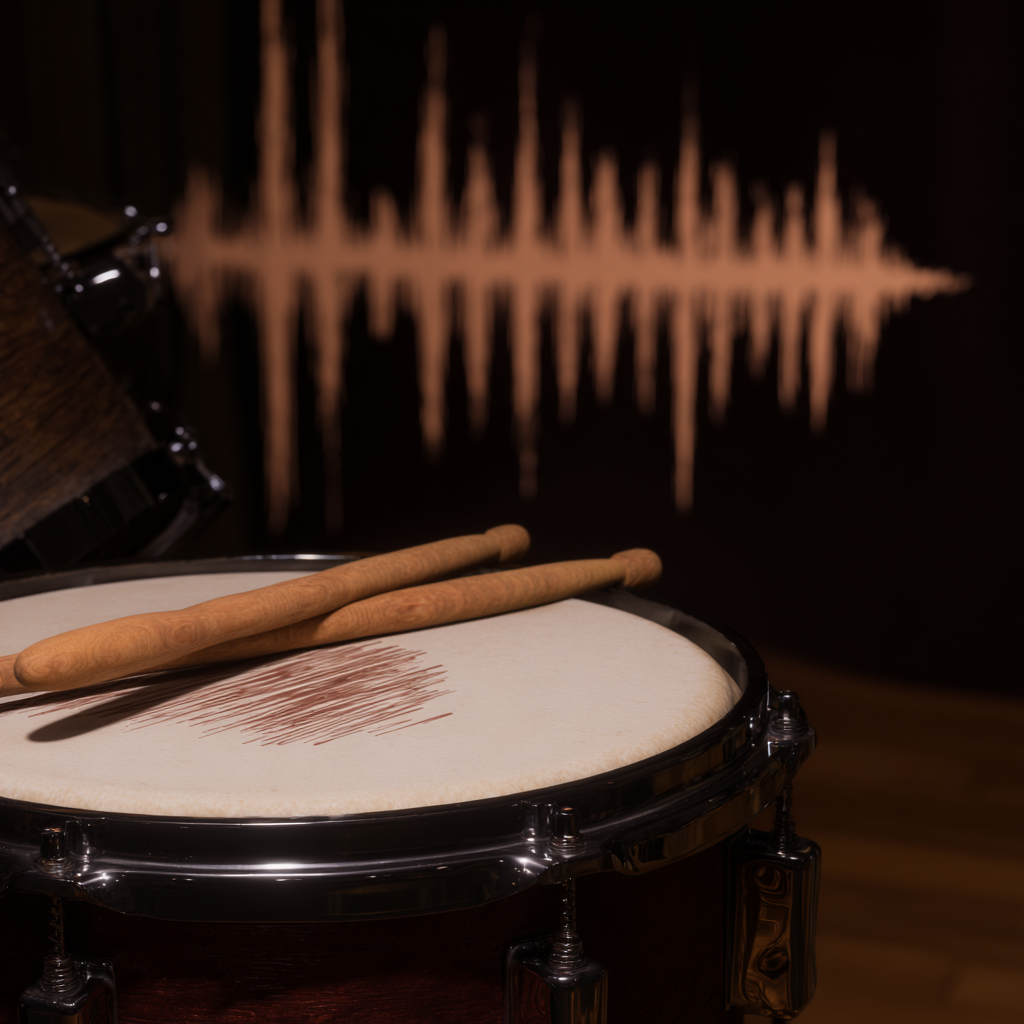
The Problem
A mix can arrive with a snare that feels sharp, physical, and right. It cuts through the beat, gives the slap its front edge, and helps the vocal feel locked to the drums. Then the master gets louder, smoother, and more controlled, but the snare crack disappears. The record may sound finished in one sense, but the drums no longer hit with the same authority.
This usually happens because the final stage is controlling dynamics without protecting the transient. The transient is the first fast hit of the drum before the body and decay follow. In hip-hop, that is often the part that makes a programmed snare, sampled snare, or layered clap feel like it belongs in the front of the track.
The problem is not always obvious at first. A louder master can make the song feel more exciting for a few minutes. But after a deeper listen, the snare may feel smaller, flatter, or pushed behind the beat. That is the hidden cost of treating loudness and control as the main goals before checking whether the drum still feels alive.
The Principle
Snare crack survives mastering when impact is managed before loudness is pushed. That means the snare has to be protected before the limiter, clipper, or compressor starts working too hard. Once the transient is flattened, brightening the track usually does not bring the feel back. It may add edge, but it does not restore the physical hit.
This is where dynamics matter more than the loudness number. A master can measure well and still lose the thing that made the rhythm work. The snare does not need to be the loudest element, but it has to keep its shape. If the attack, body, and decay are all pressed into the same flat shape, the drums stop cracking.
The Tools And Inputs
Before processing, listen to the snare in the mix without trying to fix it. Notice the attack, the body, and the decay. The attack is the crack. The body is the weight after the hit. The decay is how the drum leaves the speakers. If those parts are working in the mix, the mastering chain should preserve that relationship while improving the whole record.
Level-matched bypass is essential here. If the mastered version is louder, the snare may seem better at first even while its shape is being damaged. Match the perceived loudness and listen again. If the original mix has more snap, more air around the drum, or a better sense of timing, the processing is costing too much. A louder snare is not the same as a stronger snare.
It also helps to check what else is making the chain react. A heavy kick, long sub note, sharp vocal, or dense low-mid sample can trigger gain reduction that affects the snare. The snare may not be the element causing the problem, but it may be the element paying for it. The whole master has to be judged as a system. The snare can vanish because something else is leaning too hard into a compressor.
The Process
Start by finding where the snare begins to disappear. Bypass the main limiter, clipper, compressor, and any broad equalization one stage at a time. Listen for the moment the drum loses its front edge. If the snare is already soft before the loudness stage, the problem may be tonal masking or mix balance. OR… the mix may have been preferred this way. Sometimes there is an obscure snare. Not every rap cut is supposed to be the same or follow a formula. But, if thay snare collapses only when the level comes up, the loudness chain is probably doing the damage.
Next, separate compression damage from limiting damage. Compression can soften the snare if the attack is too fast, the release is wrong, or the gain reduction is reacting to the kick and bass. Limiting can shave the transient so the drum still exists but no longer cuts. Clipping can help or hurt depending on how it is used. A little clipping can control peaks while keeping impact. Too much can turn the crack into a dull click or a flat smear.
Then check tonal masking. Sometimes the snare crack is still there, but it is being covered by the vocal, sample, or low-mid buildup. Brightening the entire master may seem like the answer, but that can make the vocal harsh and still leave the snare weak. A more careful move may be needed. The goal is to make space for the drum without changing the whole record into a brighter version of itself. We may be talking about precision EQ here.
Control the low end before asking the master for more level. Low frequencies take up headroom and can make the limiter work harder than the snare deserves. If the kick or bass is pulling the chain down, the snare may lose impact even though it is not the problem. Tightening the low end can let the snare return without boosting it. This can mean using a multiband compressor, a high pass filter or an eq just above the kick or bass frequency- depending on the problem. On very rare occasions, it could need all three. Thouhg I’d suggest revisting the mix first in that case. If possible.
Raise loudness gradually and listen to the snare at each step. You’re searching for the breaking point. If the snare holds up until one more push, that last push may not be worth it. A master that is slightly quieter but keeps the drum alive can feel more powerful than a louder version with a flattened backbeat. In hip-hop, the backbeat carries feel. Sacrificing it for level is usually a bad trade.
Finally, check translation on small speakers and headphones. A snare that feels fine on large monitors may lose crack when the low end is reduced. That can reveal whether the snare has real transient presence or whether the master depends too much on size and volume. The snare should still mark the rhythm clearly when the sub is gone. If it disappears on smaller playback, the master isn’t translating.
Why Dynamics Matter More Than The Meter
Meters can help, but they do not tell the whole story. Peak level shows how high the signal reaches. Loudness shows average energy over time. A waveform can show whether the file looks dense or open. None of those measurements fully explain whether the snare still feels right.
The ear judges the snare in context. It hears the crack against the vocal, kick, bass, and sample. A master can look controlled on a screen and still feel like the drums got smaller.
Dynamics are a musical issue. The snare crack affects timing, attitude, and perceived energy. If it disappears, the record can feel less alive even when every meter looks acceptable. The master has to protect the movement of the song, not just the numbers at the end of the chain.
Common Mistakes
One common issue is pushing the limiter until the snare folds. The master gets louder, but loses its edge. Find the level where the snare still feels physical and stop judging only by competitive loudness. A record with snappy drum impact often feels stronger than a louder record that has been flattened.
Another mistake is using compression to solve loudness problems. that might sound crazy on first read. But compressors are for adjusting loudness differences or dynamics- even though many engineers use them for outright volume. Volume is volume. Dybamics are dynamics. Bus compression can add control and movement when it is set correctly, but it can also pull the snare backward. Adjust the timing, reduce the amount, or choose a different tool.
A third mistake is clipping the snare before understanding the mix. Clipping can be useful, but it is not automatically transparent. It can preserve apparent level while changing the drum’s edge in a way that feels smaller. Compare carefully at matched loudness and listen for whether the snare still has attack and body, not just whether the peaks are controlled.
A fourth mistake is brightening the master to fake snare crack. More top end can create the impression of attack, but it can also make vocals harsh, hats brittle, and samples thinner. If the transient has been flattened, equalization may only reveal the damage. The fix is to protect the transient earlier in the chain instead of trying to redraw it later. In an emergency, a precise high quality mid-side EQ can help here, though.
Final Checklist
Before committing to the master, compare the snare against the original mix at matched loudness. It should still have a clear attack, a usable body, and a natural decay. It should not feel like it moved backward just because the master got louder. If the mix has more rhythm and the master has more level, the master may need to be rebalanced.
Check what the rest of the chain is doing to the snare. The limiter should not be fighting uncontrolled low end. The compressor should not be pulling the backbeat down every time the kick arrives. The clipper should not be turning crack into a smaller, harder edge. The whole chain should let the snare keep its job.
The snare does not need to dominate the record, but it has to survive the final stage. It is one of the main ways the beat speaks. When the crack disappears, the record can feel louder and weaker at the same time. Fix it. From the beginning.
All Categories
About Dume41

Dume has been producing, recording, and mixing hip hop records since 1996, and mastering them since 2005. He is the founder of the record label Fresh Chopped Beats, where he has worked on music featuring artists such as Abstract Rude, Afu-Ra, Gabriel Teodros, Geologic/Prometheus Brown, Jeru The Damaja, Khingz, King Khazm, Macklemore, Percee P, Sean Price, Sir Mix-A-Lot, Sizzla, Specs Wizard, Vitamin D, and many, many others. His mastering chain is built around a high-end analog hardware setup designed to add depth, warmth, and polish while keeping the artist’s intent intact. To work with Dume on music contact him here.