

The Hidden Cost Of Chasing Loudness First
The Problem
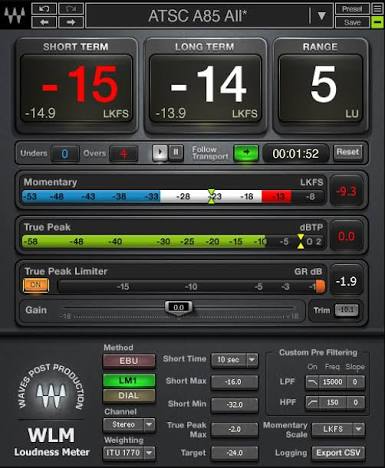
Loudness is one of the easiest things to notice in mastering, which is why it often gets judged too early. A louder version can feel better for a few seconds because it pushes forward and grabs attention. That does not mean the master is actually better. It may only mean the level changed before the record was ready for that level.
The hidden cost shows up after the first impression. Drums can get smaller. The low end can blur. Vocals can become harsh or flat. Samples can lose movement. The master may still be loud, but the record stops feeling powerful. That is the tradeoff people miss when loudness becomes the first goal instead of the final result.
This matters especially in hip-hop because impact is not just volume. A kick has to hit with shape. Bass has to carry weight without swallowing the center. The vocal has to stay forward without tearing up the top end. When those pieces are not balanced first, loudness exposes the problems instead of solving them.
The Principle
Loudness should be the result of a balanced master, not the first move. A record can be made louder in a lot of different ways, but not all of them hold together. If the mix has uncontrolled low end, sharp vocal energy, or weak transient shape, the limiter will reveal that fast. The master may gain level, but it will lose authority.
A balanced master can take level more gracefully because the important elements already know their place. The limiter does not have to fight the kick every time it lands. The vocal does not have to scrape through the top of the chain. The bass does not have to pull the whole record down. Loudness works best when it is supported by balance, not used as a replacement for it.
The Tools And Inputs
Before chasing level, the first tool is a fair comparison. Level-matched bypass keeps you from mistaking volume for improvement. Louder almost always feels more finished at first, even when the processing is making the record worse. Matching the perceived loudness between versions forces the decision to stand on tone, punch, clarity, and translation.
The next input is the mix itself. A mix with good low-end control, stable vocals, and clear drum shape will usually master louder with less damage. A mix with too much sub energy or low-mid buildup will hit the limiter harder than expected. That creates pumping, distortion, or a smaller-sounding groove. The loudness problem may not be the limiter. It may be the balance feeding it.
References also help, but only if they are used correctly. A reference should show proportion and direction, not create panic about level. If the reference is louder, ask why it can get there. It may have a tighter low end, less vocal harshness, shorter kick decay, or less clutter in the low mids. The lesson is not just “make mine louder.” The lesson is to understand what makes loudness possible.
The Process
Start by listening before limiting. Bypass the loudness stage and ask whether the track already feels balanced. The kick should have impact without dragging the master down. The bass should feel strong without covering the vocal. The vocal should be present without needing a painful amount of upper-mid energy. If the record does not feel organized before limiting, level will not fix it.
Next, find the loudness blockers. These are the parts of the mix that make level difficult. A long sub note can make the limiter clamp down on the whole track. A sharp snare or vocal peak can trigger harshness before the master feels loud. A cloudy low-mid range can make the song feel loud on the meter but small in the speakers. Identifying these blockers is more useful than pushing harder.
Control the low end before asking for more level. Low frequencies take up a lot of headroom, and they influence how the whole chain reacts. This does not mean cutting bass until the record feels thin. It means shaping the low end so it supports the groove without wasting space. A tighter low end usually lets the master get louder while sounding less forced.
Protect the drum impact. Loudness can easily flatten the exact thing the record needs most. If the kick and snare lose shape, the master may read louder but feel weaker. This is where small moves matter. A little equalization, clipping, compression, or limiting can help, but each move has to be checked against the groove. The drums should still feel physical after the level comes up.
Then listen closely to the vocal. A vocal can become harsh long before the master sounds obviously distorted. This is common when loudness is pushed before sibilance, upper mids, or vocal density are under control. The vocal should stay clear without becoming brittle. If the vocal starts to feel smaller, sharper, or pinned to the front of the speakers, the level may be costing too much.
Raise the level gradually. A master does not have to jump straight to the loudest possible version. Small steps reveal where the record starts to break. That breaking point tells you what needs attention. If another half dB makes the bass blur, the low end may need work. If the vocal gets aggressive, the top end may need control. If the drums fold, the transient handling may be wrong.
Finally, compare at matched loudness again. This is the step that keeps the whole process honest. The louder version should not just be louder. It should still feel balanced, clear, and strong when the level advantage is removed. If the quieter version has more punch, more depth, or less fatigue, the louder version is not an upgrade. It is only a louder compromise.
Common Mistakes
The first mistake is pushing the limiter before the mix is ready. This usually makes the loudness stage work too hard. The limiter starts controlling problems that should have been solved earlier. The result can be distortion, pumping, dullness, or a smaller groove. The fix is to check the mix first and make sure the loudest elements are not fighting the whole master.
The second mistake is confusing louder with better. This is easy to do because level changes the emotional reaction. A louder master can seem clearer, more exciting, and more finished for a moment. That impression fades when the punch is gone or the vocal becomes tiring. The fix is level-matched comparison. If the move still helps at the same loudness, it probably earned its place.
The third mistake is ignoring small-speaker distortion. A master might feel powerful on good monitors but break up on a phone, laptop, or small Bluetooth speaker. That is often where excessive limiting and uncontrolled upper energy become obvious. Translation is part of loudness. A master is not truly loud in a useful way if it only works on one playback system.
The fourth mistake is sacrificing punch for short-term volume. Hip-hop needs impact, not just meter level. If the kick loses shape and the snare loses snap, the record may become less convincing even while it gets louder. The fix is to protect transient feel while raising level. Loudness should make the record travel better, not make the rhythm feel smaller.
Final Checklist
Before committing to a loud master, make sure the record works before the limiter does the heavy lifting. The low end should be controlled, the vocal should be stable, and the drums should have shape. The mix should feel organized at a moderate level. If those things are missing, loudness will probably make the problems more obvious.
Check the master on more than one playback system and at more than one volume. It should not become harsh when loud or disappear when quiet. It should not depend on sub bass alone to feel powerful. It should not lose the groove when played through smaller speakers. A good loud master keeps the intent of the record intact.
The goal is not to avoid loudness. The goal is to earn it. A master can be loud, dense, and competitive without feeling crushed. That only happens when balance comes first. When loudness is chased too early, the hidden cost is usually the thing the record needed most: impact.
All Categories
About Dume41

Dume has been producing, recording, and mixing hip hop records since 1996, and mastering them since 2005. He is the founder of the record label Fresh Chopped Beats, where he has worked on music featuring artists such as Abstract Rude, Afu-Ra, Gabriel Teodros, Geologic/Prometheus Brown, Jeru The Damaja, Khingz, King Khazm, Macklemore, Percee P, Sean Price, Sir Mix-A-Lot, Sizzla, Specs Wizard, Vitamin D, and many, many others. His mastering chain is built around a high-end analog hardware setup designed to add depth, warmth, and polish while keeping the artist’s intent intact. To work with Dume on music contact him here.