True School Lives

Your source of authentic, beat machine hip hop music you can’t get from the radio anymore.

Hip Hop Mastering Blog

All Categories

How To Keep Drums Hitting After Streaming Normalization

How To Keep Drums Hitting After Streaming Normalization

The Problem You finish a master that feels loud and aggressive. Then Spotify turns it down and the drums shrink. The kick loses chest. The snare stops snapping. That isn’t Spotify “ruining” your track. It’s exposing what was doing the work. If the drums only feel big because the master is hot, normalization will take that away. Spotify’s default playback target is -14 LUFS, and it applies gain during playback to hit that target. Apple Music and YouTube have their own reference levels and behaviors. Apple Music uses a -16 LUFS reference level and can behave differently depending on track... More.

Why Your Chorus Doesn’t Lift (And What Mastering Can/Can’t Do)

Why Your Chorus Doesn’t Lift (And What Mastering Can/Can’t Do)

The Problem Most choruses don’t “fail to lift” because they’re quiet. They fail because, in the master, the chorus doesn’t change the picture enough to register as a new moment. In hip hop that usually shows up as the same drum density, the same low-end kick weight, the same hat brightness, and a hook vocal that isn’t clearly more present than the verse. You hit the chorus and everything is still competing for the same space, so turning it up just makes the competition louder. This is where people start hoping mastering will do the heavy lifting. Mastering can help... More.

Why Recall Matters In Mastering

Why Recall Matters In Mastering

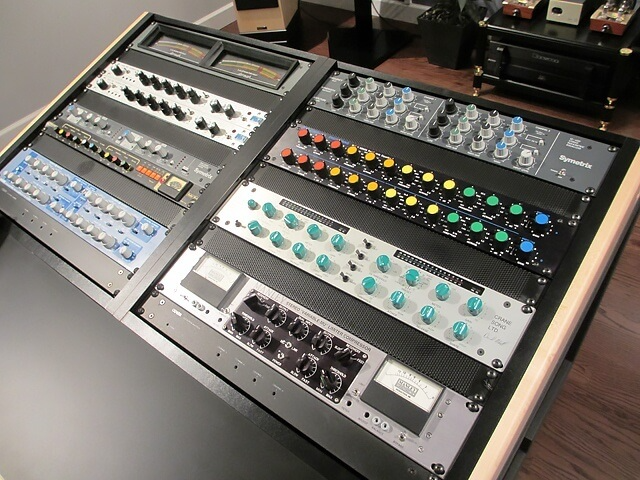
The Problem Mastering is supposed to feel controlled. You make a change, you hear it, and you decide whether it stays. That only works when you can return to the exact same state later. When recall is weak, the whole job turns fragile. A client asks for a tiny revision and you’re not making a tiny revision. You’re rebuilding the chain and hoping you land in the same place. That uncertainty leaks into your decisions, because every move comes with a hidden question: “Can I recreate this if I have to?” Revisions are not an edge case in mastering. They’re... More.

What Happens When Mastering Is Done in an Untreated Room

What Happens When Mastering Is Done in an Untreated Room

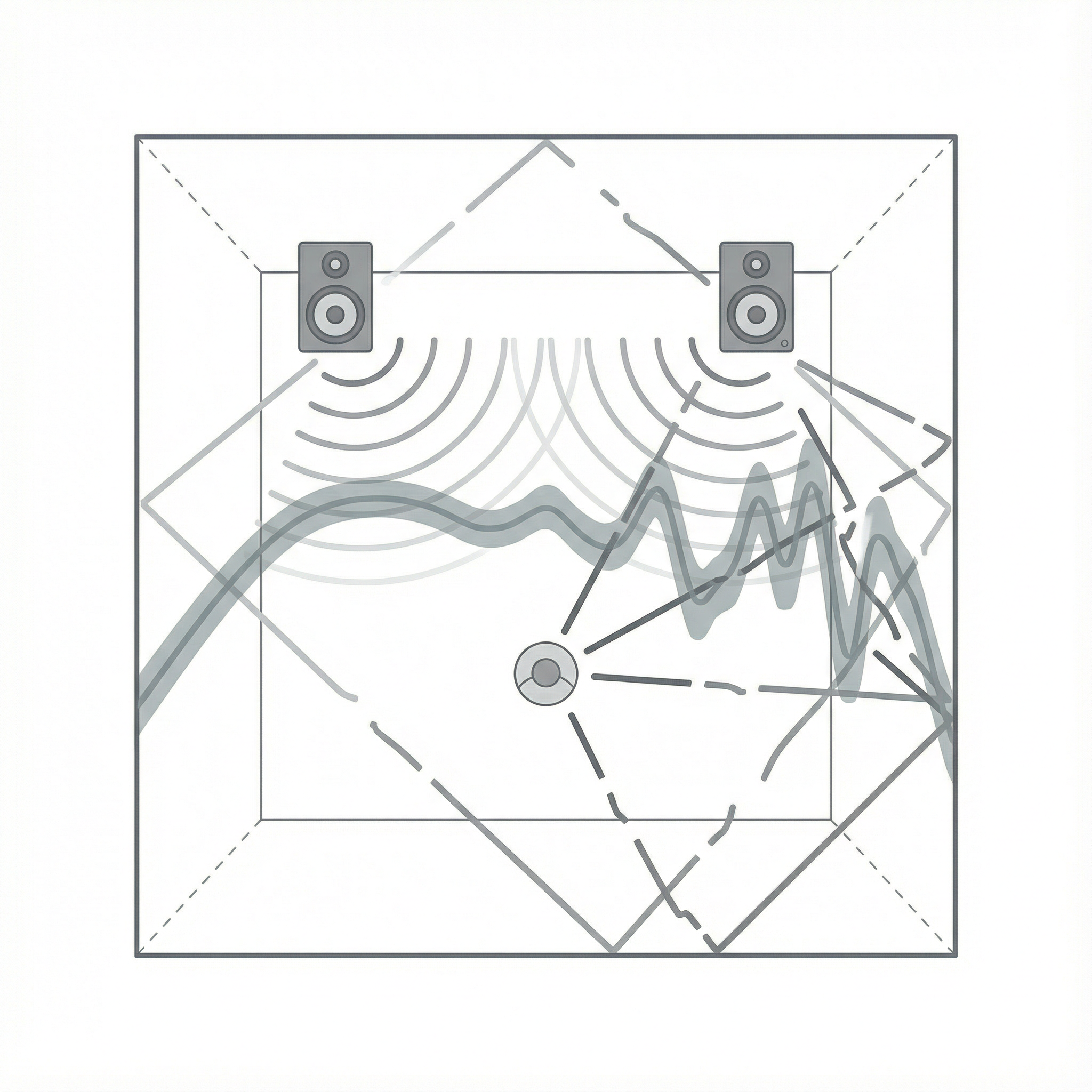
What the Room Is Actually Doing Mastering depends on hearing what’s really there. An untreated room makes that difficult in ways that aren’t obvious while you’re working. Low frequencies build up or cancel unpredictably. Reflections smear transients and stereo detail. Certain ranges feel louder or quieter than they actually are. You don’t notice the room doing this because you’re inside it. You make decisions that feel correct in the moment, but they’re based on a skewed picture. How It Shows Up in Finished Masters When I receive a track mastered in an untreated room, the issues tend to repeat. I... More.

About Dume41

Dume has been producing, recording, and mixing hip hop records since 1996, and mastering them since 2005. He is the founder of the record label Fresh Chopped Beats, where he has worked on music featuring artists such as Abstract Rude, Afu-Ra, Gabriel Teodros, Geologic/Prometheus Brown, Jeru The Damaja, Khingz, King Khazm, Macklemore, Percee P, Sean Price, Sir Mix-A-Lot, Sizzla, Specs Wizard, Vitamin D, and many, many others. His mastering chain is built around a high-end analog hardware setup designed to add depth, warmth, and polish while keeping the artist’s intent intact. To work with Dume on music contact him here.