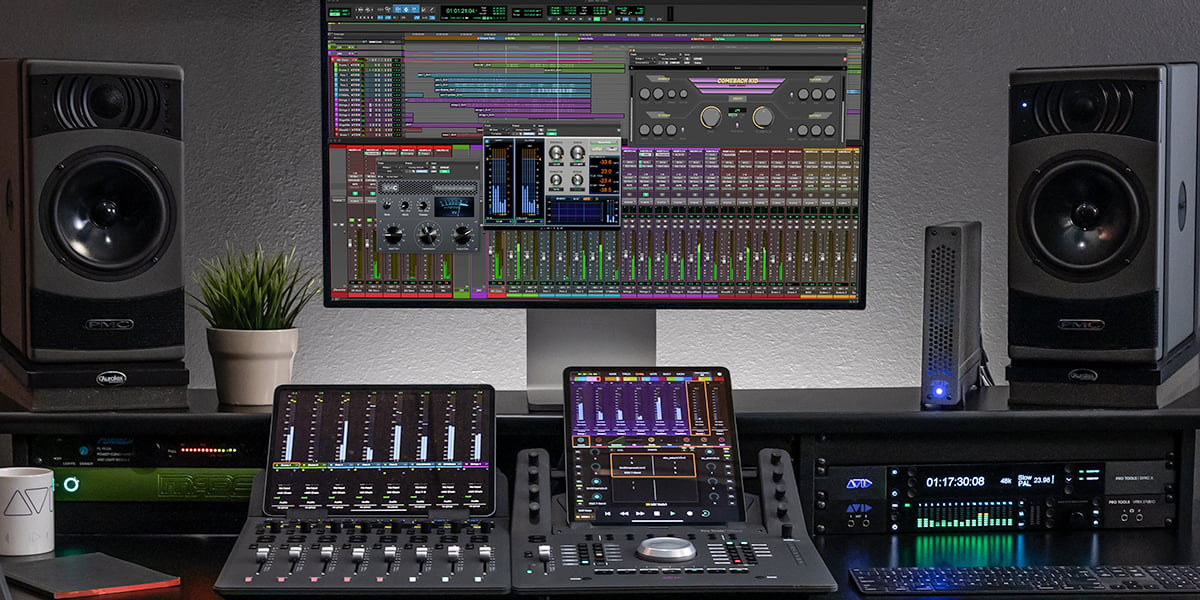
How to Export Your Mix for Mastering (And What Not to Do)
The Problem A lot of mixes go wrong at the export stage, not in the mix itself. The balance may be solid, the tone may be right, and the artist may finally be happy, but the file that gets sent to mastering is compromised before mastering even starts. That usually shows up as clipped peaks, unnecessary limiters, wrong sample rates, missing fades, or an alternate version that was never meant to leave the session. The mastering engineer spends time undoing avoidable problems instead of improving the record. In some cases, those problems cannot be fully undone. Once a mix is... More.

How Many Revisions Is Normal—and How To Use Them Wisely
The Problem Revisions should tighten a master, not stretch it into an open-ended debate. In hip hop, the mix often keeps evolving after the first bounce. That makes artists treat mastering as the place to solve mix decisions. Unlimited revisions reward vague notes and moving goals. The mastering engineer ends up chasing a feeling instead of improving translation. Two revisions is a normal ceiling when the mix is stable and the notes are specific. It forces you to listen on purpose, write actionable requests, and commit. It also protects the timeline, which is usually the real constraint. What To Listen... More.

How To Keep Vocals Raw But Butter Smooth
The Problem Rap vocals need edge to feel believable. That edge usually lives in the same bands that hurt. If you push level first, you force your compressor into harsh behavior. Most “smooth” vocal chains are just dull chains. You can get rid of bite fast with broad cuts. You also lose articulation, and the vocal stops leading the record. The goal is controlled aggression. You keep the forward tone, but you remove the parts that stab. The Principle Aggression comes from stable upper-mids, not extra loudness. Smoothness comes from removing triggers before compression, not after. If you do that,... More.

How To Pick A Reference Track For Tone
How To Pick A Reference Track For Tone The Problem Most reference tracks fail because they weren’t chosen for hierarchy. People pick a record they respect, then try to steer their mix toward it, but the drum-to-vocal relationship is already different. Once that happens, every move you make is compromised because you’re trying to solve two opposing targets at the same time. A reference track is a calibration target for balance and spectrum shape. It is not a suggestion to recreate somebody else’s production choices. If the reference vocal sits above the snare and you want the snare to read... More.
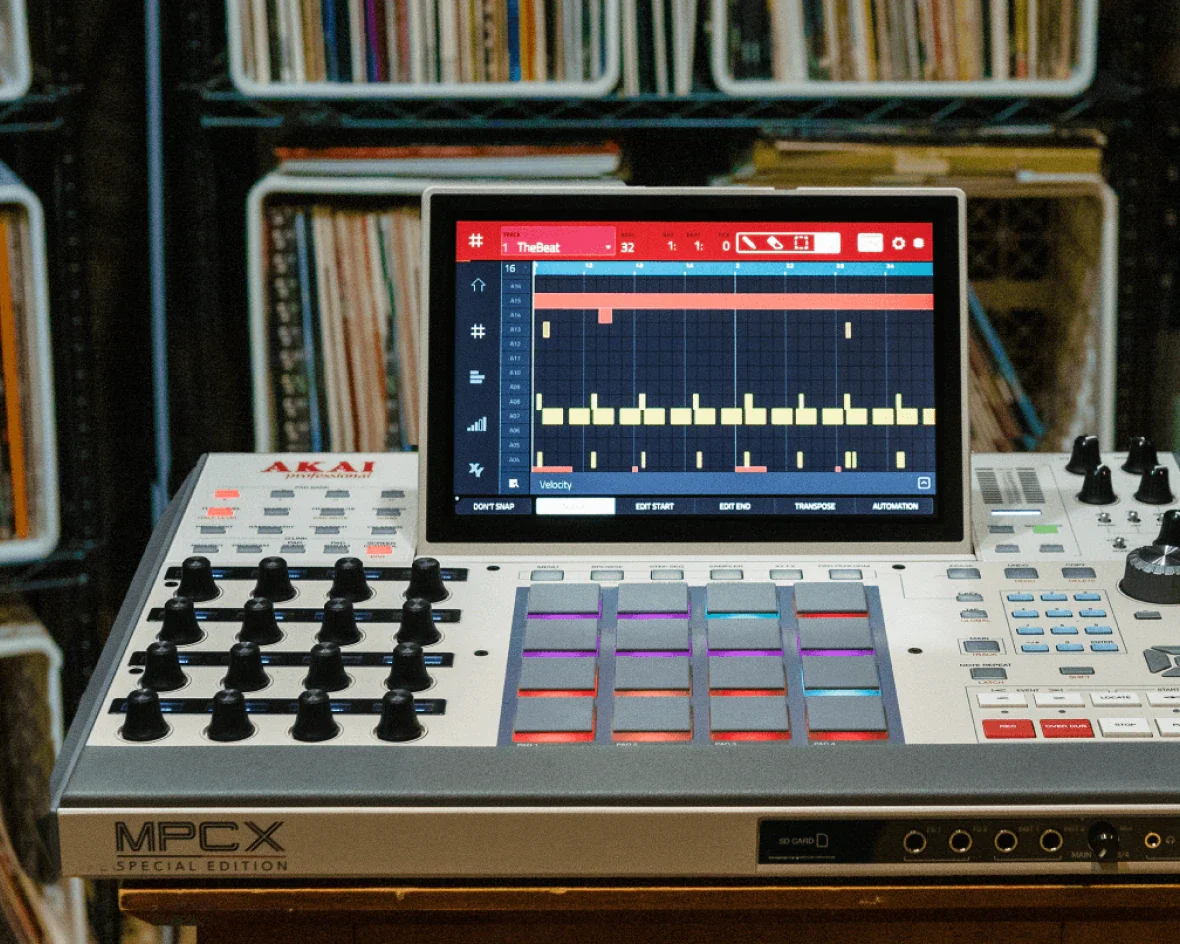
How To Keep Drums Hitting After Streaming Normalization
The Problem You finish a master that feels loud and aggressive. Then Spotify turns it down and the drums shrink. The kick loses chest. The snare stops snapping. That isn’t Spotify “ruining” your track. It’s exposing what was doing the work. If the drums only feel big because the master is hot, normalization will take that away. Spotify’s default playback target is -14 LUFS, and it applies gain during playback to hit that target. Apple Music and YouTube have their own reference levels and behaviors. Apple Music uses a -16 LUFS reference level and can behave differently depending on track... More.

Why Your Chorus Doesn’t Lift (And What Mastering Can/Can’t Do)
The Problem Most choruses don’t “fail to lift” because they’re quiet. They fail because, in the master, the chorus doesn’t change the picture enough to register as a new moment. In hip hop that usually shows up as the same drum density, the same low-end kick weight, the same hat brightness, and a hook vocal that isn’t clearly more present than the verse. You hit the chorus and everything is still competing for the same space, so turning it up just makes the competition louder. This is where people start hoping mastering will do the heavy lifting. Mastering can help... More.

Why Recall Matters In Mastering
The Problem Mastering is supposed to feel controlled. You make a change, you hear it, and you decide whether it stays. That only works when you can return to the exact same state later. When recall is weak, the whole job turns fragile. A client asks for a tiny revision and you’re not making a tiny revision. You’re rebuilding the chain and hoping you land in the same place. That uncertainty leaks into your decisions, because every move comes with a hidden question: “Can I recreate this if I have to?” Revisions are not an edge case in mastering. They’re... More.
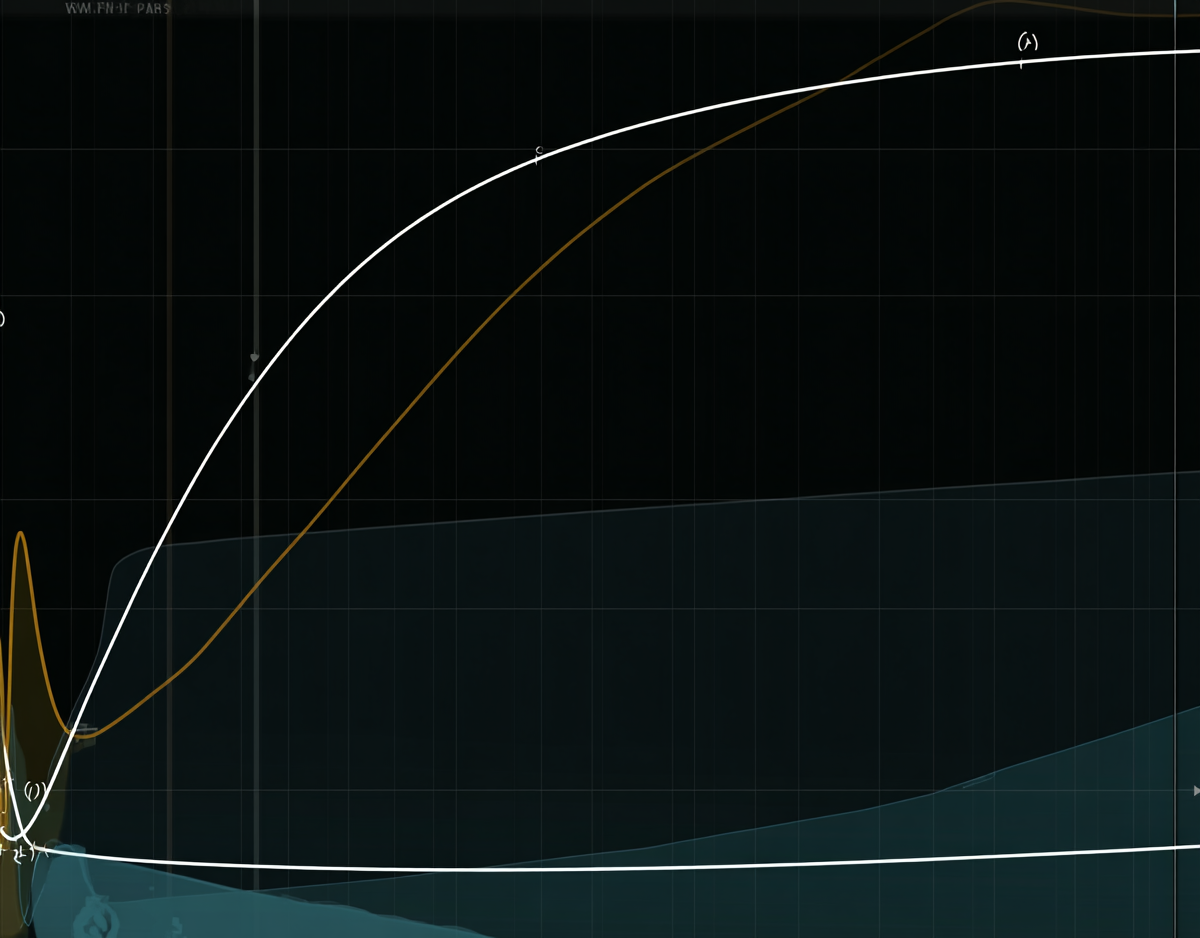
The Frequency-Balance Checklist I Use Before Touching Loudness
The Problem Sometimes the record is loud enough, but it still feels wrong. It sounds chaotic. Untamed. Like every instrument is trying to stand in the same spot. The kick wants the center. The bass wants the same air. The vocal is pushing forward, but it’s getting scraped by the drums and the sample. The top end is busy, but not clear. Nothing feels placed. When you take a mix like that and push loudness, you don’t get impact. You get a louder argument. That’s why I start with frequency balance. Not to “polish” the track. To stop the fight.... More.

How to Build Loudness in Layers Instead of One Final Mash
The Problem With Doing It With The Last Limiter When loudness gets handled as a last-step limiter push, the limiter ends up doing two jobs at once: it has to create level and protect the ceiling. In hip hop, that usually means fast gain changes triggered by snare hits, kick peaks, vocal consonants, and bright cymbal energy. The meters climb, but the mix starts losing the things that make it feel heavy. The transient edge turns hard, cymbals lose shape, and keys can feel smaller even as the master gets louder. Staged loudness fixes that. Instead of one device being... More.

VCA Compression to Maintain Dynamics in Mastering?
VCA Compression to Maintain Dynamics in Mastering? THE PROBLEM A lot of people hear “master bus compression” and think it means the record is about to get smaller. That happens when the compressor is doing the wrong job. If you’re leaning on it for loudness, or trying to make it solve a balance issue, you’ll shave off the front edge that makes a mix feel alive. The result is usually a flatter groove, less contrast between sections, and a limiter that has to work harder anyway because the peaks never got disciplined in a controlled way. The version of this... More.
About Dume41

Dume has been producing, recording, and mixing hip hop records since 1996, and mastering them since 2005. He is the founder of the record label Fresh Chopped Beats, where he has worked on music featuring artists such as Abstract Rude, Afu-Ra, Gabriel Teodros, Geologic/Prometheus Brown, Jeru The Damaja, Khingz, King Khazm, Macklemore, Percee P, Sean Price, Sir Mix-A-Lot, Sizzla, Specs Wizard, Vitamin D, and many, many others. His mastering chain is built around a high-end analog hardware setup designed to add depth, warmth, and polish while keeping the artist’s intent intact.
To work with Dume on music contact him here.